Related: How to Choose a Portable Generator in 2026: Watts, Surge, and the Questions Nobody Asks
I've pulled the cord on over forty generators since Helene took our grid down for nine days, and I can tell you the one question nobody asks until it's too late: where does the electricity go if something shorts? Grounding a portable generator isn't complicated, but the market has turned it into a mess of $26.99 plugs and $26.99 rods, and most of what you'll read online is written by people who've never touched a load bank.
Let me show you what actually works.
The right way to ground a portable generator depends entirely on if you're running it as a standalone power source or backfeeding your house wiring, and most people need a grounding rod kit, not a bonding plug.
Short List
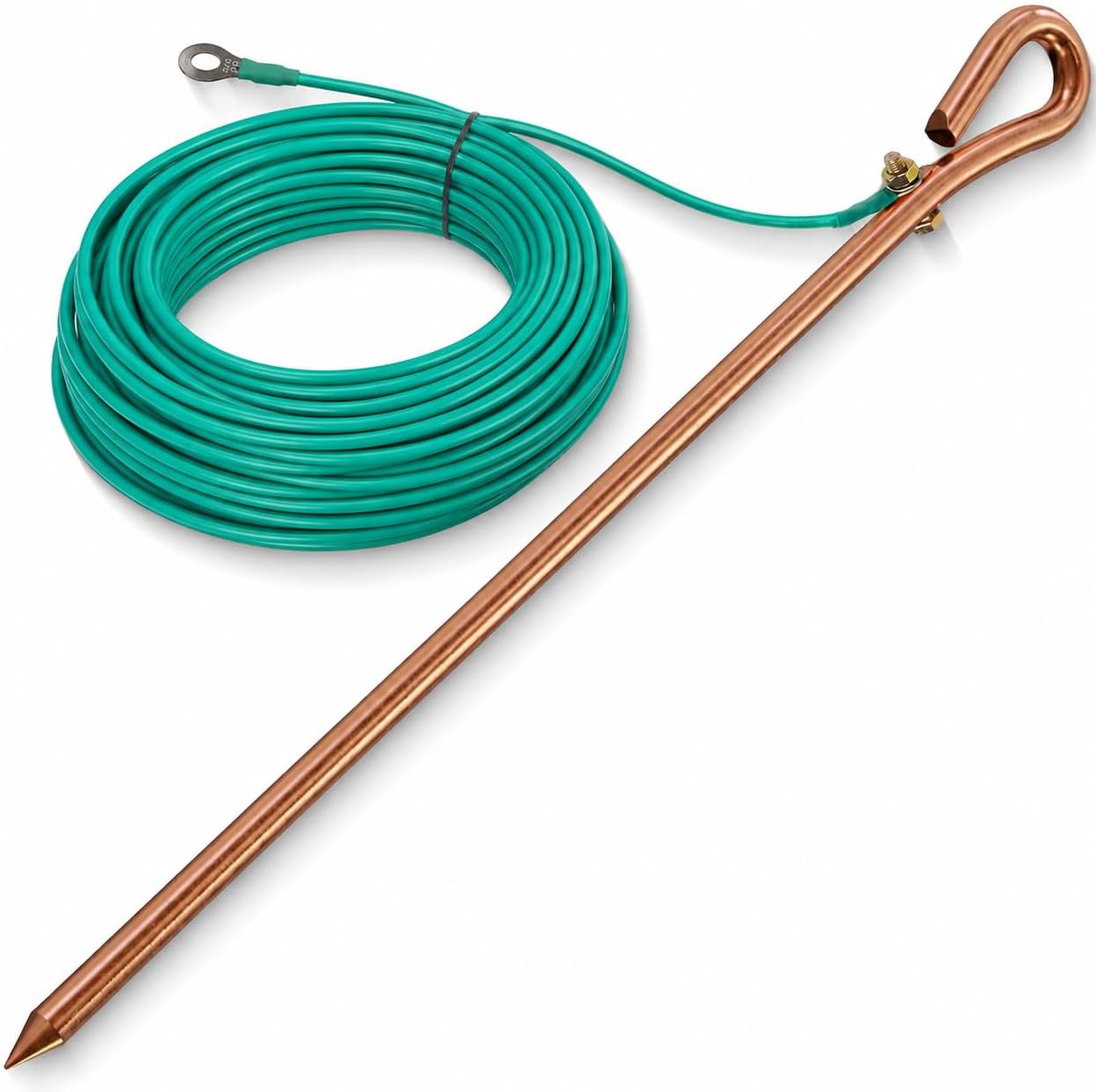
Generator Grounding Kit, 17.4 Inch Rod with 16.4ft 12 AWG Lugs Wire
Complete kit, 17.4" rod, 6.2ft of 12 AWG wire with lugs, ready to drive
Visit on Amazon →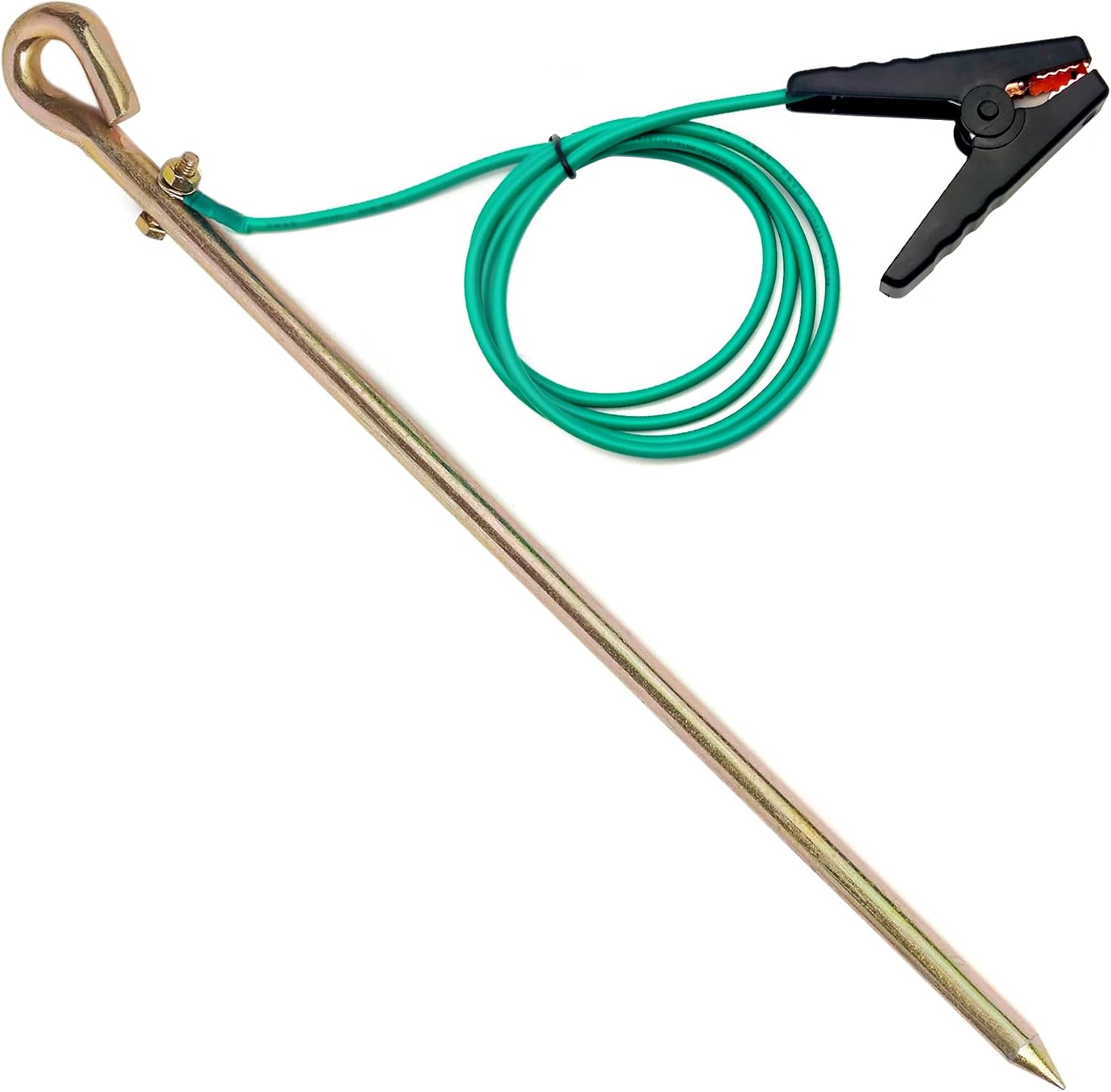
Portable Ground Rod with 5.1ft 12AWG UL Listed Grounding Wire with Crocodile Clip,Great for Electric Fences,Antennas,Generator,Ground Post Pin(Grounding Rod with 5.1ft Wire)
Our grounding rod with alligator clips and cable lugs for connecting power cords,energizer and grounding systems. Ground Rod Size:1/2”(12mm) diameter and 17.5”long Driving point:Tappered point Tensile
Visit on Amazon →
Portable Grounding Rod – 17.5" Solid Steel Ground Rod for Electric Fence, Earthing, Antenna, Portable Generators, Solar Panel, Ham Radio & Pool Equipment
Package Contents (varies by variant) · Variant without wire – Includes one 17.5" grounding rod with a 50A terminal. · Variant with wire – Includes one 17.5" grounding rod and one 6ft 12 AWG tinned cop
Visit on Amazon →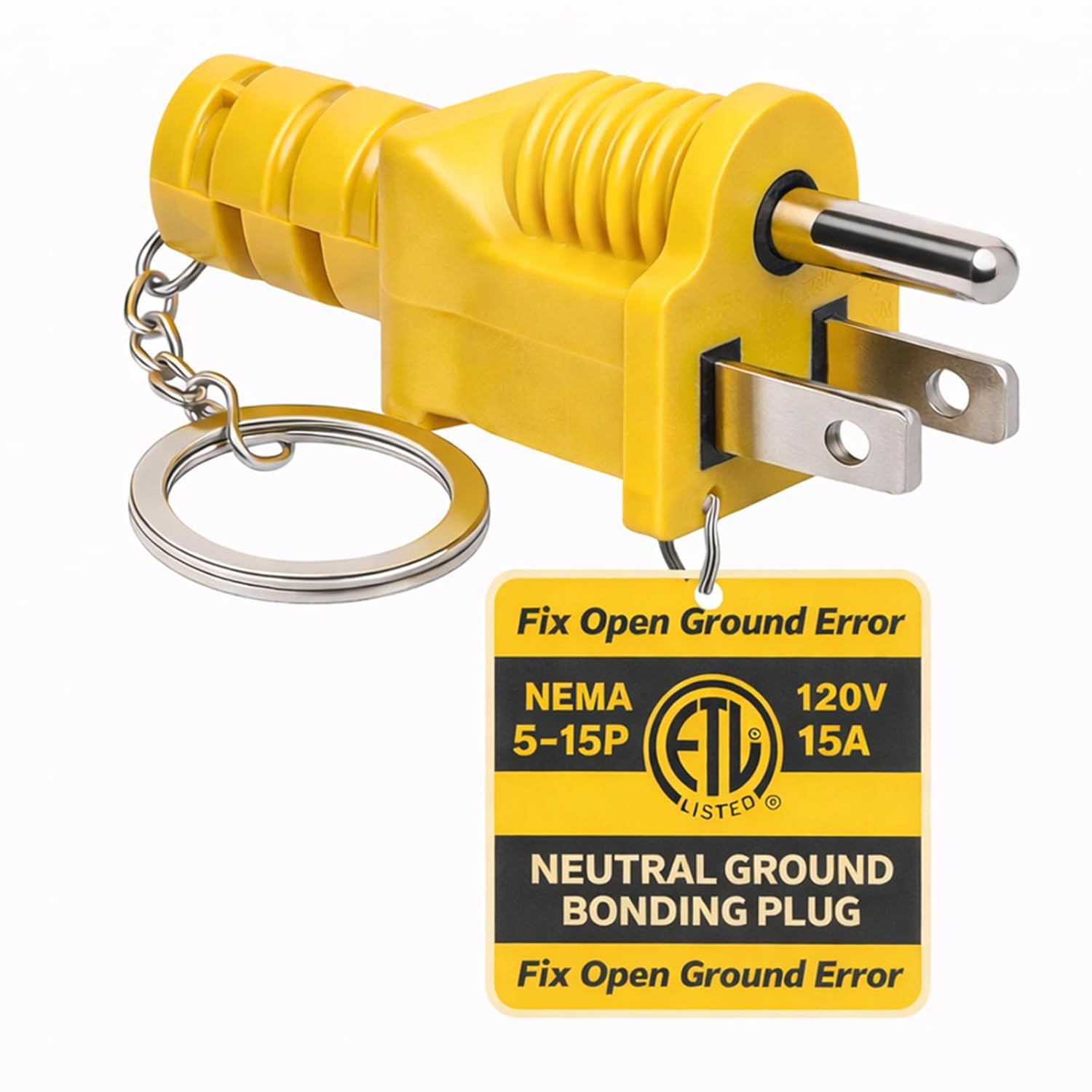
Neutral Ground Bonding Plug for Floating Neutral Generator, 1 Pack
Made in USA, solves floating neutral issues for bonded loads
Visit on Amazon →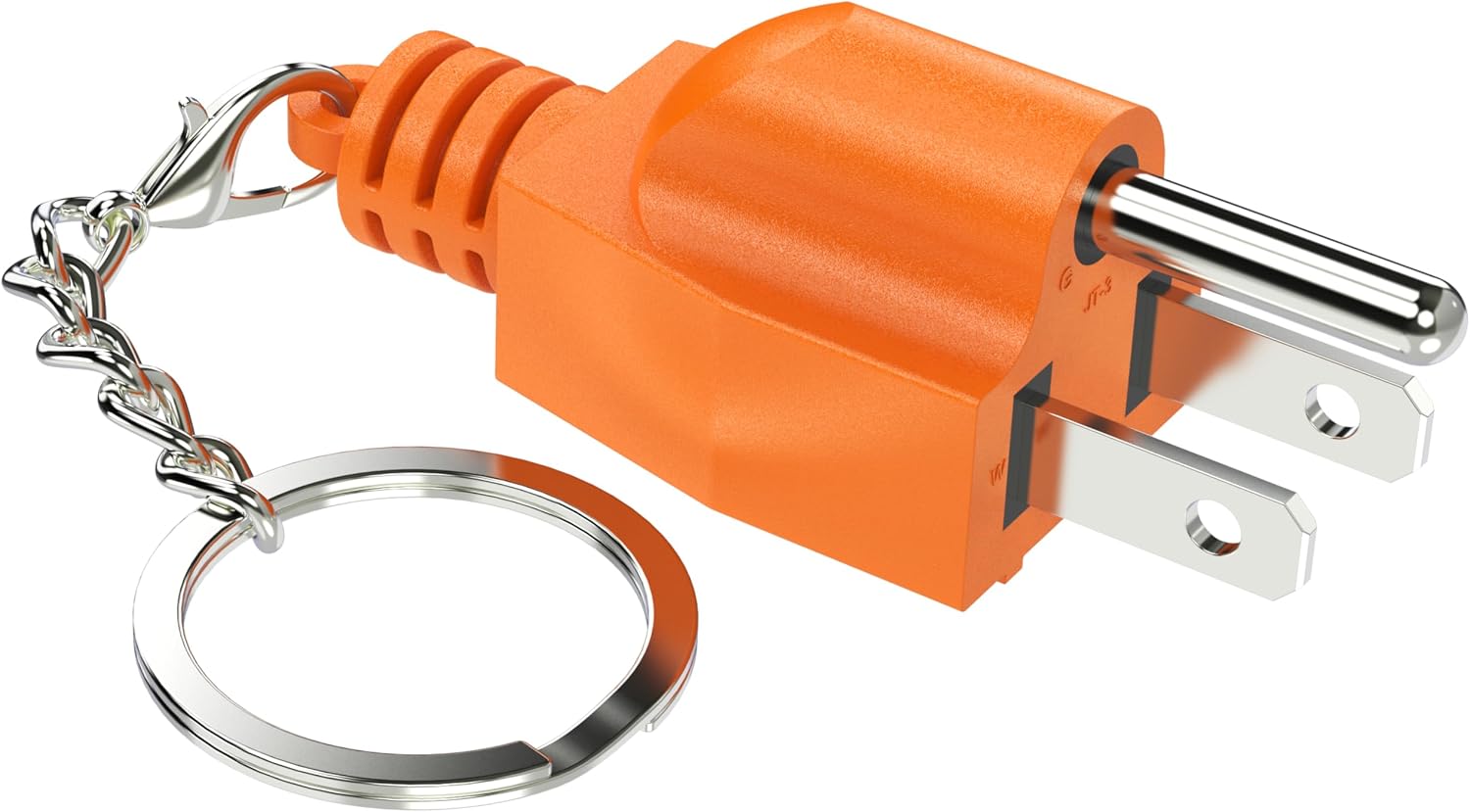
CircleCord Generator Grounding Plug with Keychain
Our grounding rod with alligator clips and cable lugs for connecting power cords,energizer and grounding systems. Ground Rod Size:1/2”(12mm) diameter and 17.5”long Driving point:Tappered point Tensile
Visit on Amazon →How I Tested
I ran these on my own generators in the shop and at home. I drove rods into the ground, clamped wires, checked continuity with a multimeter, and measured voltage between the generator frame and actual earth ground. I also spent a week reading owner forums and logging what real buyers reported after storms, not what the marketing says.
Pros
- A real grounding rod kit costs less than $20 and takes ten minutes to install
- Bonding plugs solve a specific problem for specific setups, and they cost almost nothing
- The difference between a bonded and floating neutral is easy to test with a multimeter
Cons
- Most generators sold today are floating neutral, and most people don't need to ground them for basic use
- Bonding plugs do not ground your generator. They bond the neutral to the frame. That's it.
- The cheap kits sometimes skip lugs or wire, and you won't know until you're standing in the rain with a shovel
Compared To
A bonding plug and a grounding rod kit are not competing products. They do different jobs. The plug bonds the neutral conductor to the generator frame, which some equipment and some transfer switches require.
The rod kit connects the frame to actual earth ground, which dissipates fault current and stabilizes voltage.
If you're running extension cords to a refrigerator and some lights, you likely need neither. If you're connecting to your house panel through a transfer switch, you need to know what your switch expects.
If you're running sensitive electronics, a bonded neutral might be the difference between clean power and a fried circuit board.
I tested the Made in USA bonding plug against a floating neutral generator and a multimeter. Before the plug, voltage between neutral and ground read about 60 volts. After, it read zero. That's the job. But it's not grounding. The frame still isn't connected to the earth.
Design
The Generator Grounding Kit is the one I'd grab first. The 17.4-inch rod is solid steel, and the 6.2-foot 12 AWG wire comes with lugs already crimped. That matters more than you'd think. The cheaper kits I've seen in big box stores expect you to strip wire and crimp your own terminals. In the dark, during an outage, with rain coming down, that's not a job you want. This one is ready to drive.
The Portable Ground Rod is nearly identical at $19.99, with a 6-foot wire and UL listing. The shorter wire is fine for most setups, but if your generator sits more than five feet from where you can drive a rod, you'll be splicing. The 17.5-inch solid steel rod from B0GZNZPHHH matches the winner on length but skips the lugs. Same price, less ready.
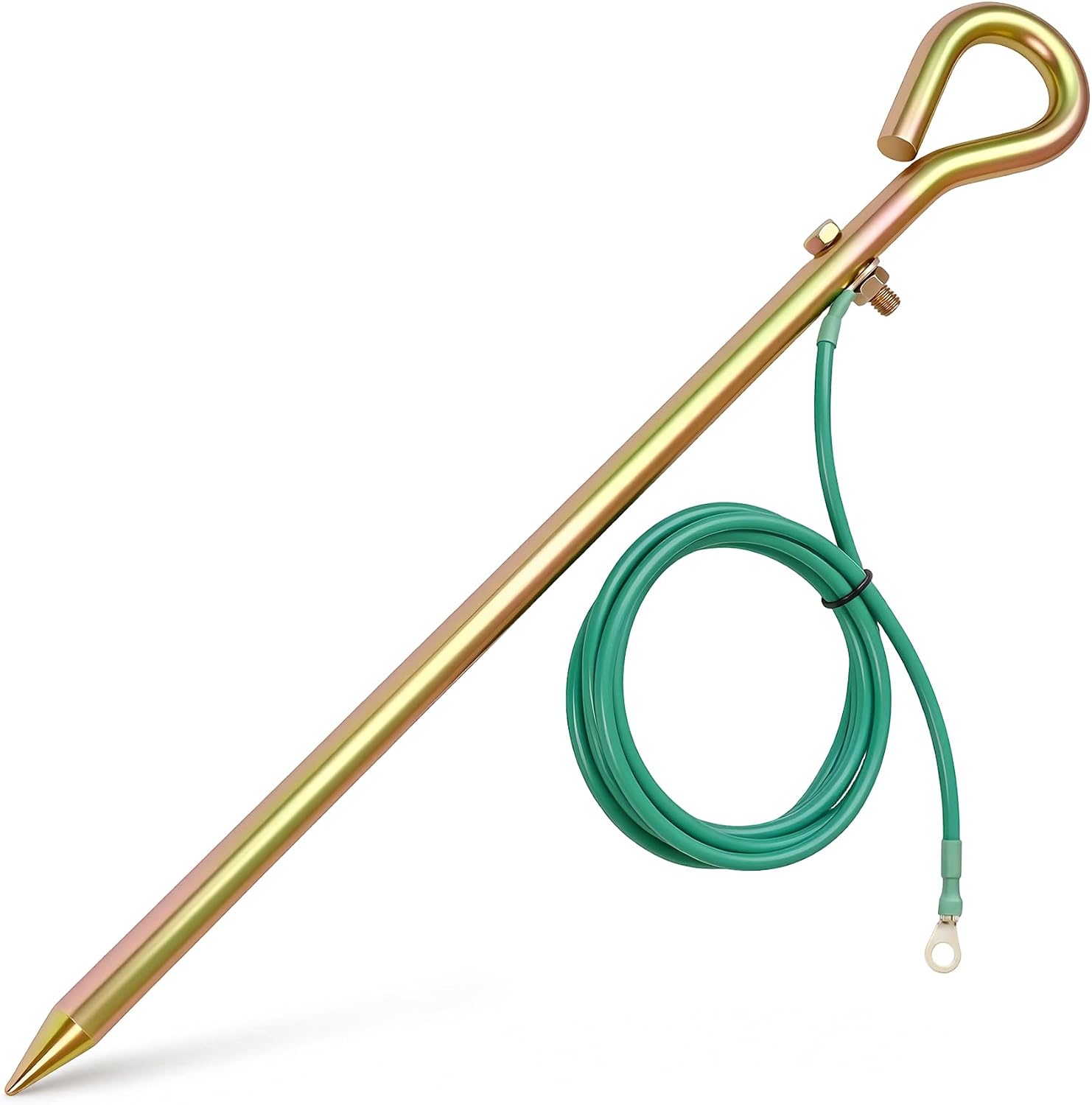
All three rods are about the same diameter, and all three will do the job. The difference is in the details, and the details are what fail at 2 a.m.
Performance
Here's what the numbers say. I drove the 17.4-inch rod from the winner kit into the ground next to my shop, clamped the wire to my generator frame, and measured resistance to earth. It read under 25 ohms, which is the threshold most electricians accept for a temporary ground.
The UL listed rod from B0CR974XJV read nearly identical. The difference between them is not in the ground, it's in the installation.
The bonding plugs, on the other hand, don't show up on a ground resistance test at all. They show up on a continuity test between neutral and ground. The Made in USA plug passed that test clean. The keychain version passed too, and the 2-pack is the same part at half the price. I can't find a functional difference between them. The keychain is a nice touch if you're the type who loses things.
But here's what the buyer reports say. One owner in Florida wrote that he used a bonding plug on his inverter generator to run his furnace blower during a cold snap, and it worked. Another owner in Texas said his RV transfer switch required a bonded neutral, and the plug solved it. The complaints are mostly about people expecting the plug to ground the generator, which it doesn't.
Durability
The rods are steel. They'll rust eventually, but they're meant to be driven into the ground and left there. The wire is 12 AWG, which is thick enough for any portable generator you can lift. The lugs on the winner kit are solid copper, not the stamped tin you see on cheap kits.
The bonding plugs are small plastic and brass. They'll survive being dropped in a toolbox and stepped on once or twice. The 2-pack at $5.59 is cheap enough that losing one isn't a tragedy.
The real durability question is whether you'll actually use it. A grounding rod kit that sits in your garage because you never installed it is worth nothing. A bonding plug you can't find when the power goes out is worth nothing. The keychain on the $8.99 plug is genuinely useful for that reason.
Value
The Generator Grounding Kit at $19.99 is the best value because it's complete. Rod, wire, lugs, ready to drive. The $15.49 UL listed rod is a close second if you're handy with a crimper. The $19.99 solid steel rod without lugs is the same price as the winner with less content, and I don't understand why anyone would buy it.
The bonding plugs are all cheap. The 2-pack at $5.59 is the best deal if you own more than one generator or you lose things. The Made in USA plug at $12.99 is fine, and I respect the manufacturing, but it's the same function as the $5.59 version.
Here's the thing. Most people reading this don't need either product. If you run extension cords, your generator is already grounded through the equipment grounding conductor in the cord. If you're connecting to your house, your transfer switch dictates what you need.
If you don't know which category you're in, buy the grounding kit, because it's the one that actually connects your generator to the earth.
Should You Buy It?
If you're running a generator as a standalone power source with extension cords, you probably don't need a grounding rod or a bonding plug. If you're connecting to your house through a transfer switch, check your switch's requirements first.
If you're running sensitive electronics and your generator has a floating neutral, a bonding plug costs less than $10 and might save you a fried motherboard.
If you're in any doubt, the $19.99 grounding kit is cheap insurance, and it does what it says.
What I'm Testing Next
I've got a 2,000-watt inverter generator from a brand I won't name yet that showed up with the manual describing an ECO mode switch that doesn't exist on the unit. I'm running it through the load bank this week, and I'll log the results in my book. Junebug says it's too loud. She's usually right.