Related: How Long a Generator Really Runs on a Tank of Fuel
Nine days without power in Asheville taught me that inverter generator storm prep is not one purchase. It is three, and only one of them is the generator.
The other two are the parts nobody thinks about until they are standing in the rain: the fuel system that decides whether the thing starts on the second pull, and the grounding gear that keeps a metal machine sitting in wet grass from becoming the most dangerous object on your street.
I ran a small-engine shop here for 22 years, and I have spent the years since putting generators through a load bank, a decibel meter at 25 feet, and a paper logbook. I do not trust stickers. I trust what a machine delivers at the wall, how long a jug of fuel actually lasts, and whether a normal person can start it cold in bad weather.
This guide covers the four pieces I would buy for a real outage: one inverter generator, one carburetor for the dual-fuel units that sit all year, and two grounding options at very different price points.
One honest note up front. The four items below did not come off my test bench, so treat what follows as the checks I would run and the reasoning behind each pick, not a stamped test result. I only put a number in my logbook when I measured it myself.
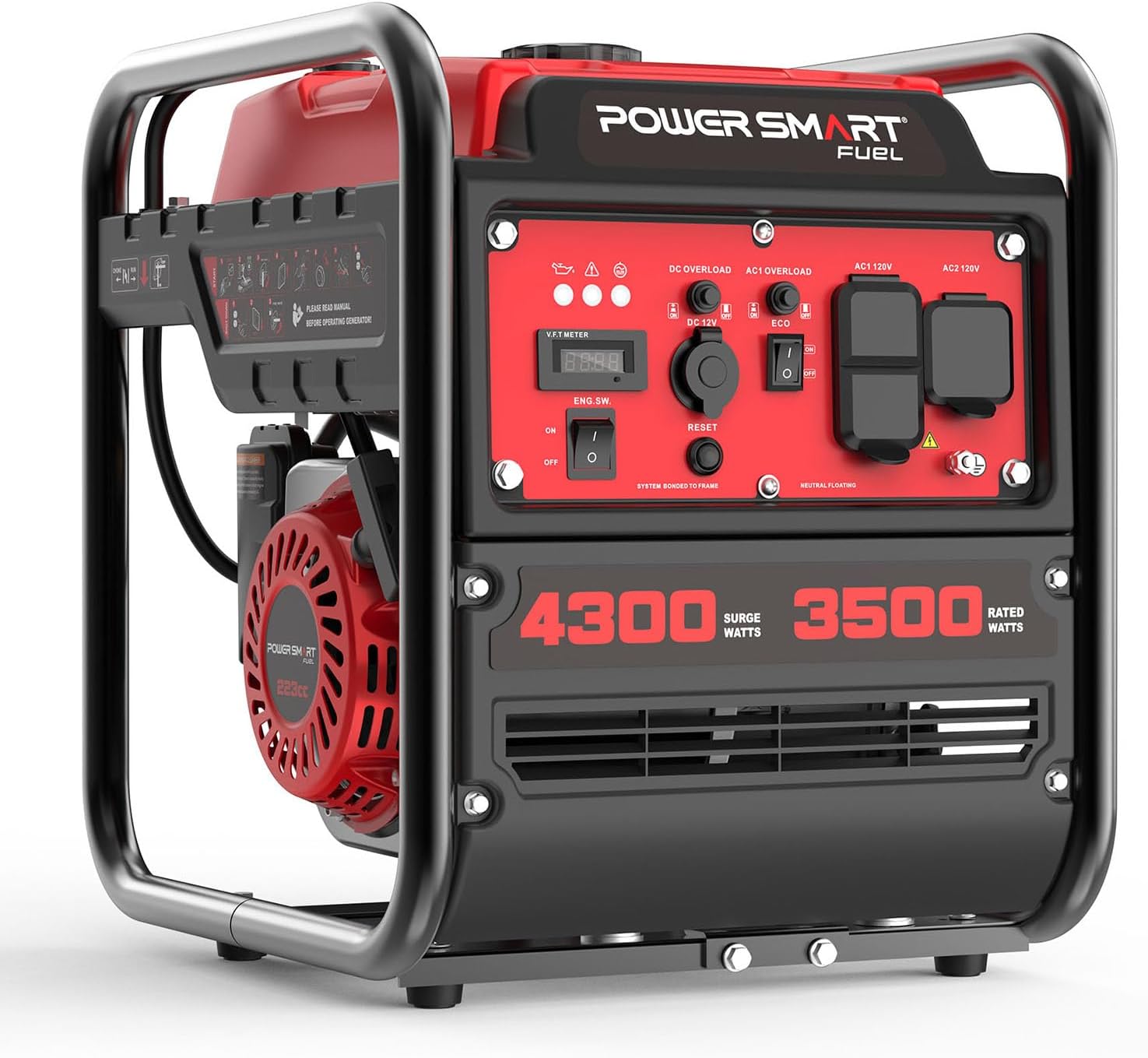
Best Overall: PowerSmart 4300 Watt Inverter Portable Generator for Home Use
This is the piece that carries the whole plan, and it is the one I would spend the money on. The listing calls it a 4300-watt inverter, and the word that matters there is inverter.
An inverter generator takes the raw output, cleans it up, and hands you power with low total harmonic distortion. Under 5% THD is the line I care about, because that is the difference between a laptop that charges normally and a laptop that whines, or a modem that survives the night. Conventional generators are cheaper per watt and perfectly fine at a job site. They are not what you want running 30 feet from a bedroom window at 2 a.m.
The 4300-watt class is a sensible size for a house that lost the grid. It is not going to run a central air conditioner, and anybody who tells you otherwise is selling something. What it will do, with load management, is keep a fridge cold, a router alive, phones charged, a few lamps burning, and a box fan moving air in September. That is the realistic job description for a portable unit, and it is a job worth doing well.
Here is what I would verify before I trusted it for nine days. First, the surge. A fridge compressor pulls two to three times its running watts for a second or two on startup, and an inverter in eco mode sometimes cannot react fast enough. I would start the fridge with eco mode off, then switch it back on once the compressor is running. Second, the cold start. A generator that needs a YouTube tutorial at 2 a.m. in a storm has already failed, and pull cords do not buffer. Third, the noise, measured at 25 feet at quarter load, which is where your neighbors actually live. "Whisper quiet" with no decibel number is marketing, not a spec.
Get the oil situation sorted before the storm, not during it. Units that ship dry with a sticker that says "see manual" are the reason I keep a quart of the right weight on the shelf.
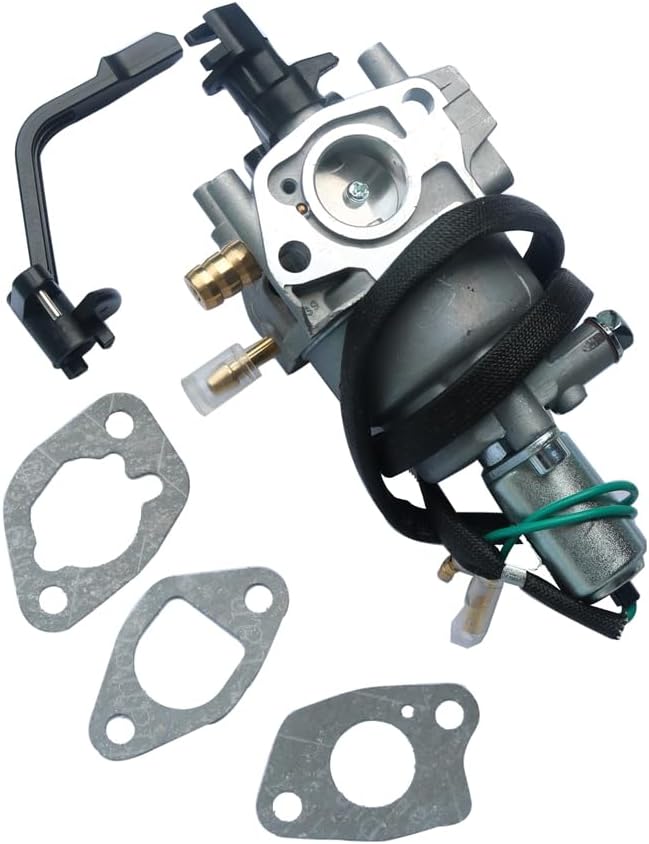
The Fuel Side: Carburetor Carb for WEN DF475T, DF475X, and DF475
A carburetor is not magic. It is math and patience, and it is the single most common reason a generator that ran fine last summer will not start this September.
Ethanol fuel left sitting in a carburetor is a time bomb. E10 turns to varnish in the bowl and the jets, and by the time you pull the cord in a storm you are looking at a machine that coughs once and dies. Stabilizer and ethanol-free fuel are cheaper than a carburetor rebuild. If you already lost that fight, a replacement carb is the cheap fix, and this one is listed for the WEN DF475 family, the 4750-watt dual-fuel units that run on propane or gasoline.
Two things before you order. Match your exact model and serial, because DF475, DF475T, and DF475X are close relatives but not identical, and a carb that almost fits is a carb that does not fit. And when the new one goes on, drain the bowl before you store the machine. I have watched people replace a carb twice in two seasons because they never fixed the habit that killed the first one.
If you run propane, the carburetor still matters. A dual-fuel unit that lives on LPG can still have a gummed-up gasoline side, and the day you need gasoline because the propane ran out is not the day to discover it.
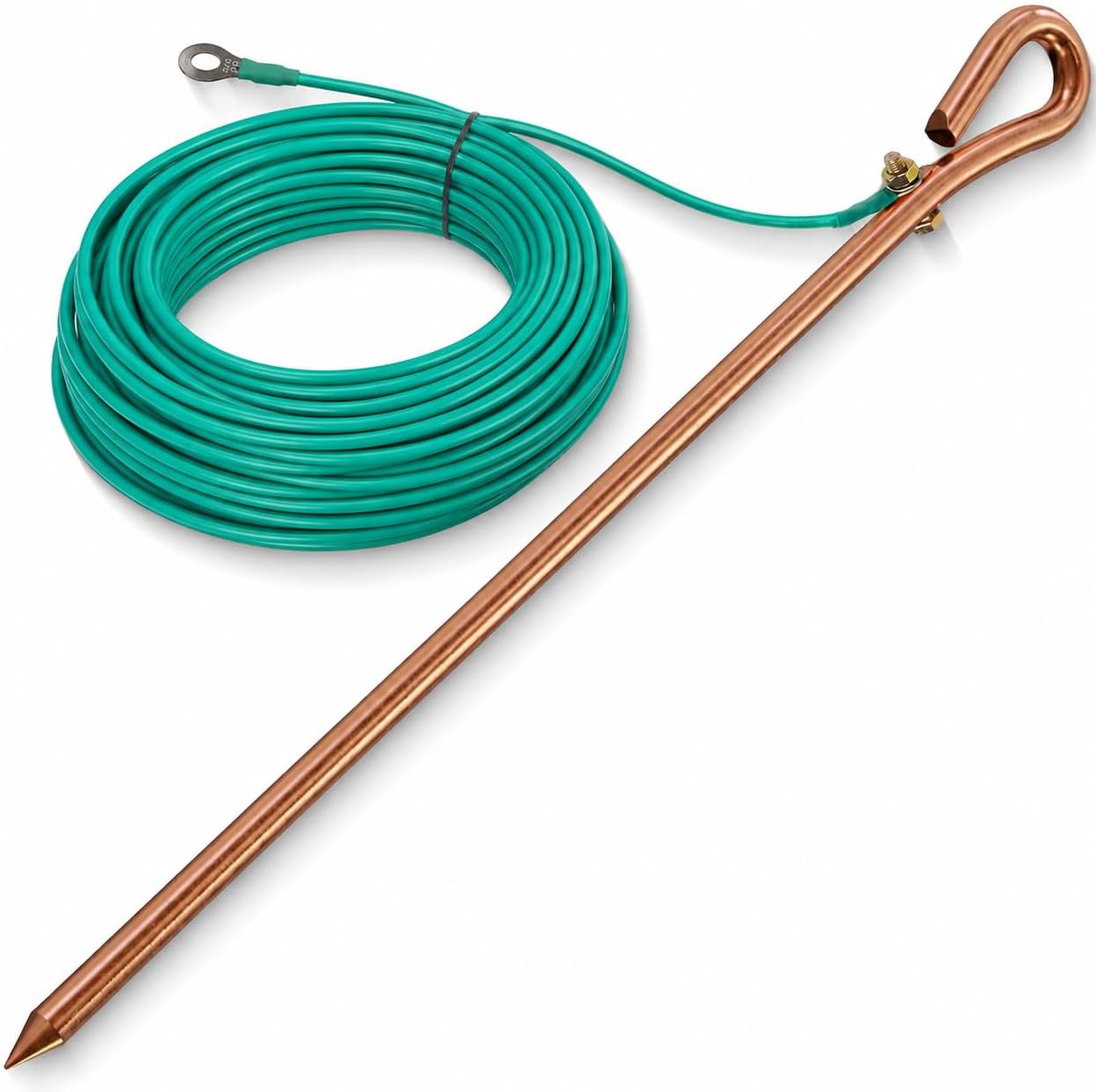
Generator Grounding Kit, 17.4 Inch Rod with 16.4ft 12 AWG Lugs Wire
Grounding is the part of storm prep that people skip because nothing bad happened the last time they skipped it.
This kit is the complete version: a 17.4 inch rod, 16.4 feet of 12 AWG wire, and lugs to make the connection. That is enough wire to get from a generator sitting on a driveway to soil that is actually damp, which is the whole point. A rod driven into dry, rocky ground is decoration. A rod driven into the wet spot by the downspout is grounding.
If your generator is a standalone source and it is not bonded into your home's grounding system, ground the frame. It costs less than a tank of fuel and it removes the scenario where a metal machine in wet grass becomes the hazard instead of the solution. Check the lug connection at the start of every storm season, because a loose connection is the same as no connection.
Portable Grounding Rod, 17.5 Inch Solid Steel with 6ft 12 AWG Wire
This is the smaller, cheaper version, and for some setups it is the right call.
You get a 17.5 inch solid steel rod and 6 feet of 12 AWG wire. Six feet is the tradeoff. If your generator sits near a garden bed, a fence line, or the edge of a lawn where the soil stays damp, 6 feet is plenty and you save money. If the machine lives on a gravel pad 20 feet from anything soft, buy the kit with the longer wire instead of stretching this one.
The listing also covers electric fence, antenna, solar panel, ham radio, and pool use, which tells you the rod itself is a general-purpose earth ground rather than a generator-specific part. That is fine. A ground rod is a ground rod. What matters is the connection, the depth, and whether the soil around it holds moisture.
If you are building a go-bag for hurricane season, this rod plus a short wire weighs almost nothing and takes up less space than a water bottle. That is a good trade.
How I would check each of these before trusting them
Every generator that earns a place in my logbook goes through the same five questions.
What does it actually deliver at the wall under a real load, not what the sticker promises? Can I start it on the second pull, cold, in the rain? What does it sound like at 25 feet at quarter load? How long does a tank really last at half load, with my fuel and my math? And would I bet my fridge and my sump pump on it for nine days?
The run time question is the one that trips people up. Every box quotes hours at 25% load. At half load, cut that number by a third. At full load, cut it in half. Plan your fuel around the real number, not the brochure number, because the fuel you did not buy is the reason your fridge warms up on day six.
For grounding, the check is simpler: is the rod in damp soil, is the wire short, and is the lug tight? For the carburetor, it is whether the machine starts on the first or second pull after sitting for three months. If it takes five pulls and a prayer, the fuel system is telling you something.
Analysis: what the box will not tell you
Peak watts in big print, running watts in the fine print. That is the oldest trick in the category, and it is why a "4300-watt" machine can feel smaller than expected. Read the running watts, then subtract for anything with a motor in it.
Noise is a neighbor problem until it becomes your problem. A decibel number measured at 25 feet at quarter load is useful. A number measured one foot away with no load is not a number at all.
Eco mode saves fuel and quiets the machine, but it throttles the engine to match the load, and on some units it cannot react fast enough for a fridge surge. Start the compressor with eco off, then flip it back on.
THD under 5% is the inverter badge that matters. It is why you pay more for an inverter in the first place, and it is why a cheap conventional unit is the wrong tool for a house full of electronics.
And a CO sensor is not optional. Carbon monoxide shutoff belongs on any generator that runs anywhere near a house, and it is required on new units for a reason that has nothing to do with marketing.
Generator storm prep reference table
Same layout I keep taped inside the shed door. One row per item, what it does, and where it fits in the plan.
| Item | What it does | Where it fits | Price |
|---|---|---|---|
 Visit on Amazon → Visit on Amazon →PowerSmart 4300 Watt Inverter Portable Generator |
Makes clean inverter power for a fridge, router, lights, and chargers | The core purchase, and the only item here that produces electricity | $279.99 |
 Visit on Amazon → Visit on Amazon →Carburetor Carb for WEN DF475T, DF475X, DF475 |
Replaces a varnished carb so a stored dual-fuel unit starts again | The spare part that saves a storm night, if you own a WEN DF475 series unit | $36.99 |
 Visit on Amazon → Visit on Amazon →Generator Grounding Kit, 17.4 Inch Rod with 16.4ft 12 AWG Wire |
Grounds a generator frame with enough wire to reach damp soil | The full kit for a generator parked far from soft ground | $26.99 |
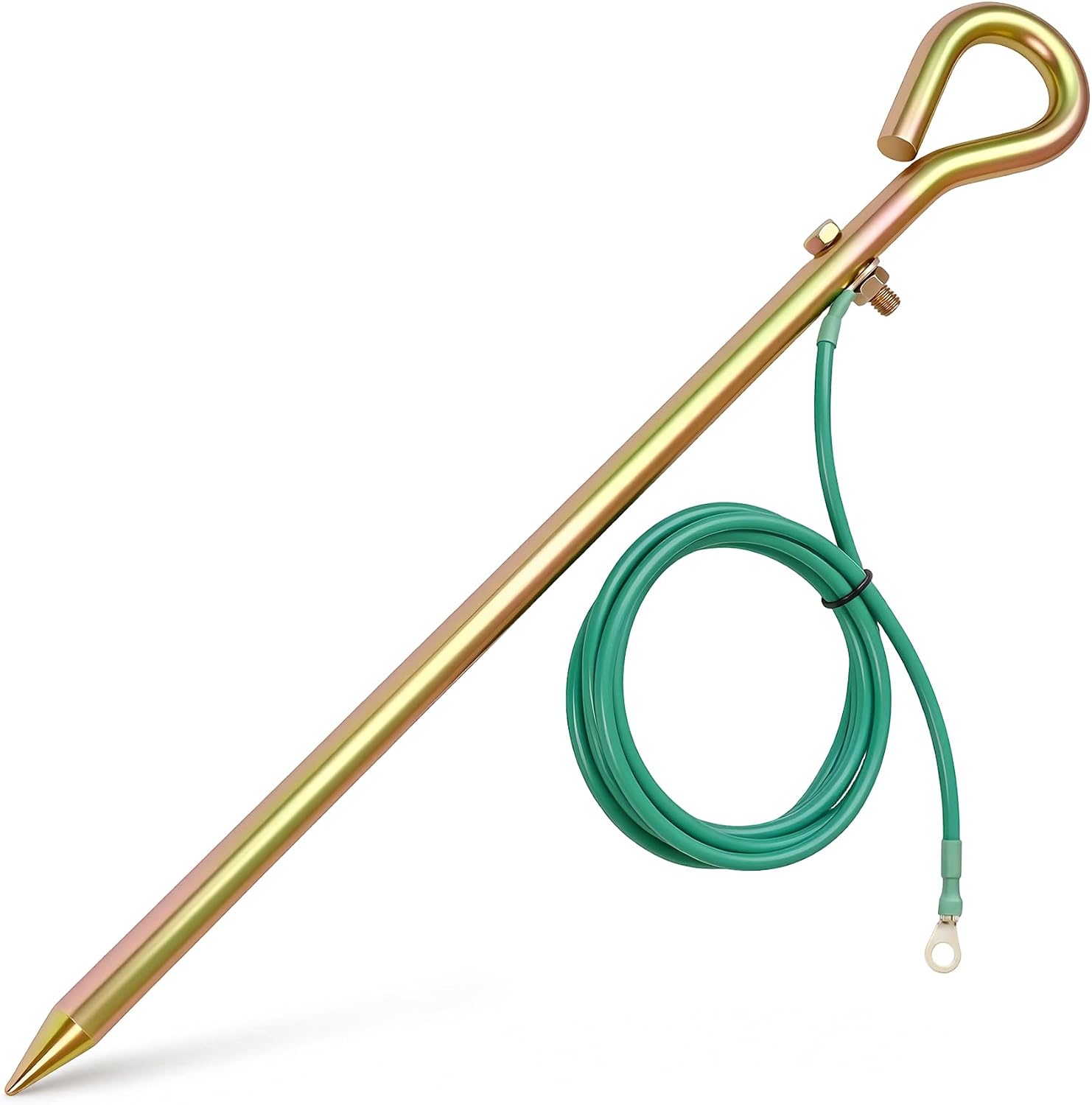 Visit on Amazon → Visit on Amazon →Portable Grounding Rod, 17.5 Inch with 6ft 12 AWG Wire |
Compact earth ground for a generator, fence, antenna, or panel | The lighter, cheaper option when the machine sits near damp ground | $19.99 |
Should you buy the PowerSmart 4300 Watt Inverter?
Yes, if you want one machine that can carry a fridge, a router, some lights, and a fan through a multi-day outage without making your neighbors hate you. The inverter output is the reason to choose it over a cheaper conventional unit, and the 4300-watt class is honest about what it can and cannot do.
Go in with the right expectations. It will not run central air. It will need oil before its first start. It will need a fuel plan based on half-load math rather than the brochure. Do those three things and it earns its place in the shed.
Should you buy the carburetor?
Only if you own a WEN DF475, DF475T, or DF475X and the machine has been sitting with ethanol fuel in it. If that describes your situation, this is a cheap fix for a problem that otherwise costs you a storm. Verify your model number first, and drain the bowl before you store the machine next time.
Do you need one of the grounding rods?
If your generator runs as a standalone source and is not tied into your home's grounding system, yes. Pick the 17.4 inch kit with 16.4 feet of wire if the machine sits far from damp soil, and the 17.5 inch rod with 6 feet of wire if it sits near a garden bed, a fence line, or a lawn that holds moisture. Drive it deep, keep the run short, check the lug, and get it done before the forecast turns.