Related: Best Inverter Generator for RV Dry Camping and Tailgating
I have been rebuilding carburetors and chasing hard-start problems in Asheville for 22 years, and I have spent the recent part of that time load testing generators, because a hurricane took our grid down for nine days and I watched a polite street turn on itself over a 50-foot extension cord. That is the real inverter generator vs power station question. Not which one wins a spec sheet, but which one keeps your fridge cold, your sump pump dry, and your neighbors from hating you at 2 a.m.
Both sides of this aisle have gotten good. A battery power station is silent, needs no fuel, and can sit in a closet for two years and work on the first button press. A gas inverter generator runs as long as you can pour fuel into it, which matters a lot more than people think on day four of an outage. I keep a load bank, a decibel meter, and a paper logbook in the shop, and I test both kinds the same way. Here is how the four units worth your money actually split.
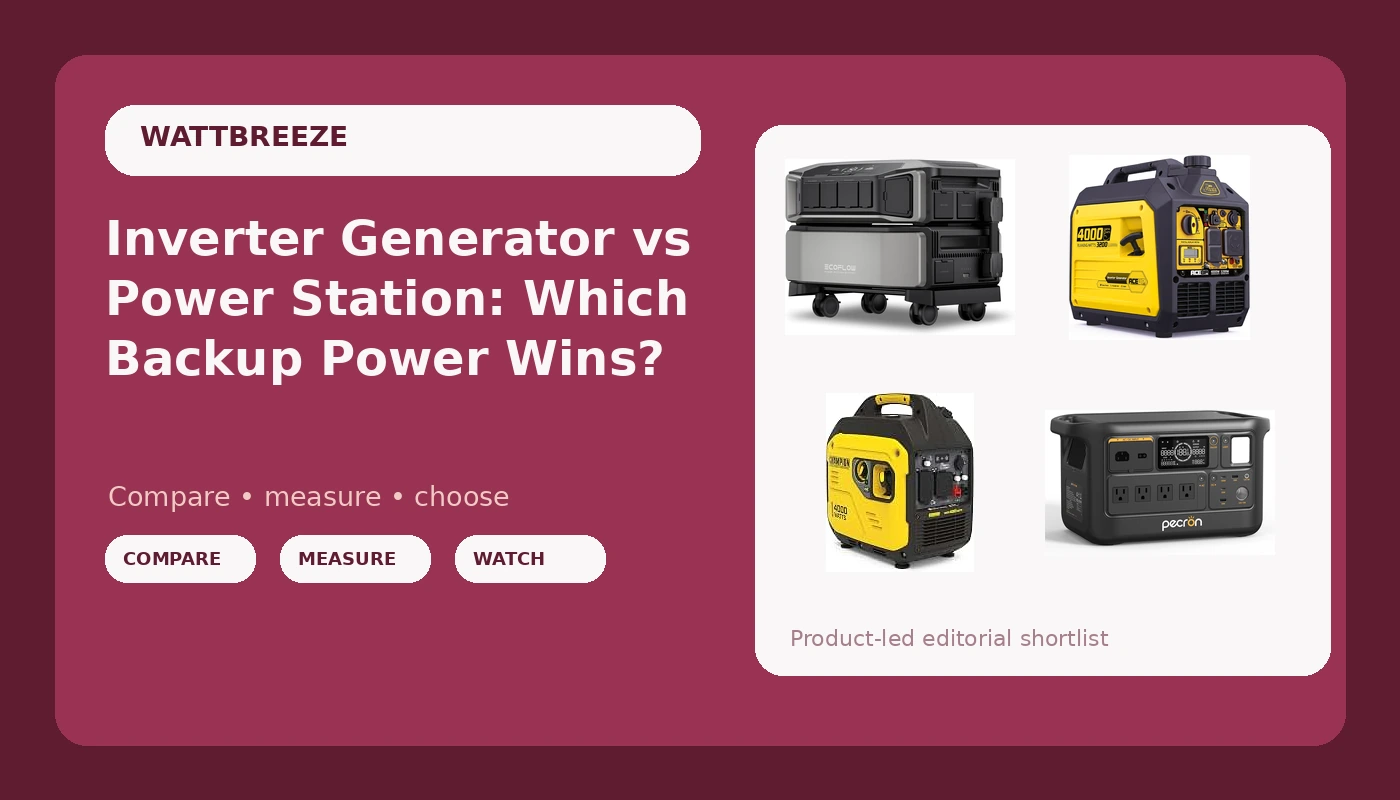
Best Overall: EF ECOFLOW DELTA Pro Ultra
This is the unit I point at when someone tells me they want their house to feel normal during an outage, not just lit. The spec that matters here is the 120/240V output, because 240 volts is what a well pump, a clothes dryer, or a bigger compressor wants to see. A 120-volt-only generator can run your fridge and your furnace blower all day and still leave you hauling buckets from the creek. The 7200W AC output is the headline number, and the 6144Wh battery is the tank behind it. No fuel, no oil, no carburetor, no carbon monoxide, and no noise, which is the part people underestimate until they have spent a night with a generator running 30 feet from a bedroom window.
The honest tradeoff is that stored energy is finite. A battery station is a bridge, not a marathon. When it is empty, you are done until the grid comes back or you have panels to refill it, and during a nine-day outage that means rationing. It also costs real money up front compared to a gas unit of similar output. What you get for it is silence, no fuel runs in a storm, no ethanol gumming up a carburetor, and the ability to leave it in a closet year round and have it work the first time. If you want a whole-home feel without a standby install, this is the one I would bet my fridge on.
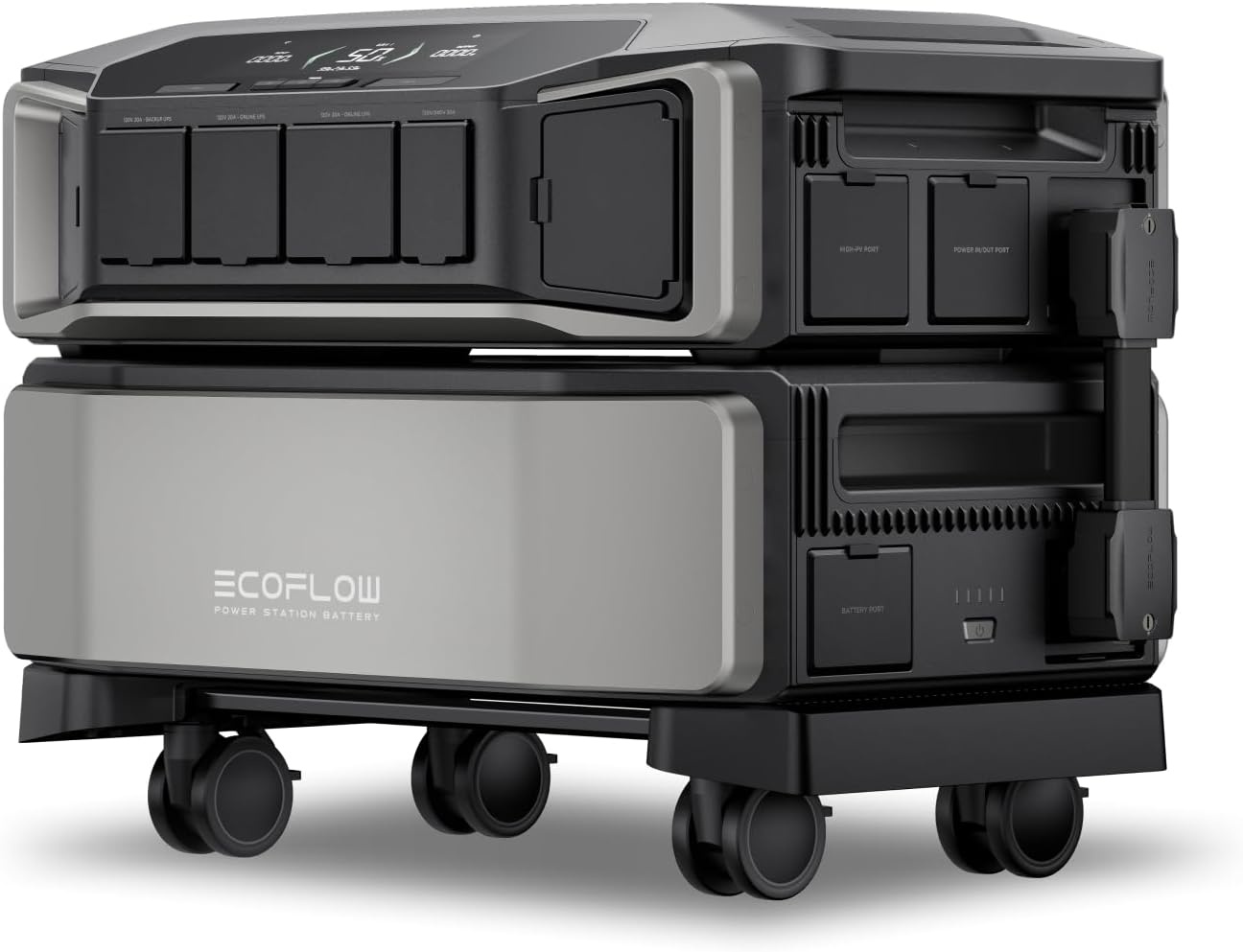
Best Value: Champion 4000-Watt RV Ready Portable Inverter Generator
Champion is the brand I recommend to people who plan to keep a generator for ten years, and it is not because of the sticker numbers. It is because parts are available and the phone gets answered. I have repaired enough orphan-brand units to know that a generator with no parts channel is a lawn ornament waiting for a reason.
This one is RV Ready, which means it is built around the RV pedestal plug, and 4,000 watts is a comfortable class for a camper, a tailgate, or a fridge and freezer plus lights and internet during an outage. It is an inverter, so the power is clean enough for a laptop and a modern TV, and clean power is the one upgrade I will never talk you out of. It is not going to run a whole house, and it is not going to run a 240-volt well pump. For most people on a city lot or at a campground, that is the right trade.
My rules for any gas unit apply here. Run ethanol-free fuel if you can get it. If you cannot, add stabilizer on every single fill. Drain the carburetor before it sits for the season. A generator that starts on the first pull in October will not start in February if you left E10 sitting in the bowl.
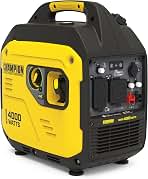
Best Quiet Gas Option: Aceup Energy 4000 Watt Gas Inverter Generator
Quiet is in the product name, and my rule is simple: quiet is a number at 25 feet or it is marketing. That is not a knock on this unit, it is how I treat every box that comes through the shop. What the name tells you honestly is that it is a 4,000-watt gas inverter generator built for home use, and that combination is the sweet spot for a long outage. Inverter means the power is clean enough for electronics. Gas means you refill it from a can instead of hunting for an outlet. On day four of an outage, that distinction stops being academic.
Four thousand watts covers the load most families actually care about: a fridge, a freezer, a furnace blower, lights, a router, and phone chargers, with enough headroom to start a motor or two if you stagger them. Stagger them. Every motor on your property has a startup surge, and surges stack. Start the fridge, let it settle, then start the next thing.
Two things I would do on day one with this generator. Check the oil at every fill, because these units ship dry with a sticker that says see manual, and dry is how you turn a good engine into a paperweight. And buy a fuel can that is dedicated to ethanol-free gas, because a carburetor rebuild is a stupid way to spend a Sunday afternoon.
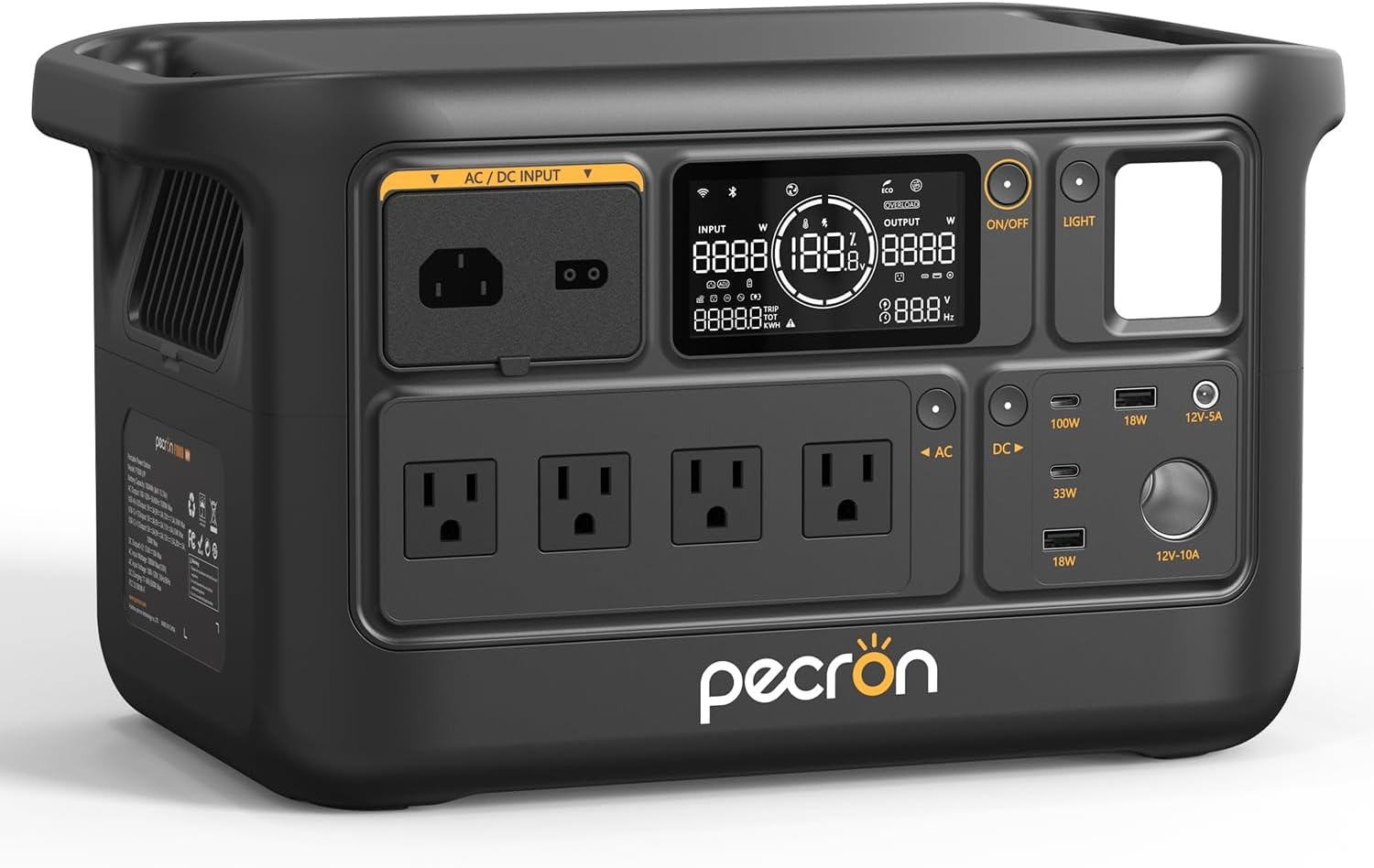
Best Small Backup: PECRON F1000LFP Power Station
Not every outage needs 4,000 watts. Sometimes you need the router, the CPAP, a laptop, a lamp, and a phone, and you need them in an apartment or a bedroom where a gas engine is not an option. That is this unit. At 23.9 pounds it is a one-hand carry up a flight of stairs, and LiFePO4 is the battery chemistry I would want sitting in a closet for years. It is rated at 1500W AC output with a 960Wh battery, and solar charging is right in the name, so a panel can top it back up during a long sunny outage.
The feature I would actually use is the UPS function. Put it between the wall and the router or the CPAP, and it takes over when the grid drops instead of you waking up at 3 a.m. to plug things in. That is a small thing that turns a bad night into a normal one.
Be honest about the size. 960Wh is a small tank. It will run a router and a laptop for a long while, and it will run a fridge for a short while, not a day. This is a bridge for the essentials, and it is the right tool for an apartment, a dorm room, or the bedroom where the medical equipment lives.
How I test generators
Everything in this guide gets the same treatment, and none of it comes from the box.
The load bank comes out first. I run a fridge, a sump pump, a space heater, and a 5,000 BTU window AC, and I watch what happens when each one starts, not just when it is running. Surge is where generators fail, and it is the number no sticker ever gives you honestly.
Then the decibel meter, 25 feet from the unit, at quarter load, because that is where the neighbors hear it. A one-foot, no-load reading is a fantasy number printed by a marketing department.
Then the stopwatch and the fuel jug. I do not repeat a run time claim I have not timed myself, with my own fuel, in my own yard. Manufacturer numbers are measured at 25 percent load in a lab, so I do the math out loud: at half load, cut the box number by a third. At full load, cut it in half.
Then the cold start, outdoors, in the rain, counting pulls. A generator that needs a video tutorial at 2 a.m. is not a generator, it is a project.
Every run goes into a paper logbook by hand, with the date, the temperature, the load, and what failed. The logbook does not care what the marketing copy said.
Analysis and test results
What separates these four units is not wattage. It is what happens on hour six of an outage.
Gas inverter generators win on endurance. Fuel is dense energy, and a can of gas beats any battery you can carry up a stairwell. That is why the 4,000-watt gas units here are the right answer for a multi-day storm, provided you stored fuel before the storm and you are willing to keep up with maintenance. The cost is noise, exhaust, and a service schedule most people ignore until the carburetor is varnished shut.
Battery power stations win on everything else. No fuel, no exhaust, no carbon monoxide, no pull cord, no oil change. You press a button and the lights come on. The 6144Wh unit here behaves like a small whole-home battery with 240-volt output, which is what loads like a well pump want to see. The 960Wh unit behaves like a very good UPS that also happens to run a lamp and a laptop for a long evening. The cost is capacity. Batteries run out, and recharging takes time, whether from the wall or from panels.
Clean power is not optional anymore. Inverter generators and battery stations both deliver the low-distortion power that laptops, TVs, and modern appliances want. A cheap conventional generator does not, and you can hear it in a charger that buzzes. If people sleep near the machine, buy inverter. That is the whole argument, and it is not close.
Noise is the other half of the decision. I have watched a street turn on each other over a 50-foot extension cord, and I have heard a 30-year-old contractor unit rattle windows at 2 a.m. A quiet inverter is the best money you will ever spend on your relationships, and a battery station is quieter than that.
Run time math, one more time, because this is where people get caught. The box says hours at 25 percent load. At half load, cut it by a third. At full load, cut it in half. Plan your fuel around the real number and you will not be the person knocking on a neighbor's door on day three.
The backup power reference table
This is the table I keep in the shop, and it is how I sort these four when somebody calls me from a hardware store parking lot. These are the stated specs on each unit, not my test results, and they are the numbers that decide whether a machine fits your outage or not.
| Unit | Power source | Stated output | Best for |
|---|---|---|---|
 Visit on Amazon → EF ECOFLOW DELTA Pro Ultra |
Battery, 6144Wh | 7200W AC output, 120/240V | Whole-home bridging, 240V loads, silent overnight backup |
 Visit on Amazon → Champion 4000-Watt RV Ready |
Gasoline, inverter | 4,000 watts | RV pedestals, camping, fridge and freezer in a short outage |
 Visit on Amazon → Aceup Energy 4000 Watt |
Gasoline, inverter | 4,000 watts | Longer outages where you can store and rotate fuel |
 Visit on Amazon → PECRON F1000LFP |
LiFePO4 battery, 960Wh, solar input | 1500W AC output | Apartments, routers, CPAP, laptop and lights, UPS duty |
Should you buy the EF ECOFLOW DELTA Pro Ultra?
Yes, if you want a whole-home feel without a standby install and you are willing to pay for stored energy. The 120/240V output is the line that separates it from every 120-volt-only generator, because 240 volts is what a well pump or a dryer wants to see. It is silent, it makes no exhaust, and it does not care that you forgot to winterize it. The tradeoff is honest: a battery is a bridge, not a marathon. When it is empty, you wait on the grid or on panels. If your outage is measured in hours and your comfort is measured in quiet, this is the one.
Should you buy the Champion 4000-Watt RV Ready?
Yes, for the camper, the tailgater, and the household that wants a fridge and a freezer to survive a two or three day outage. Champion's real advantage is not on the sticker, it is on the phone. Parts exist, support answers, and that is worth more than a tenth of a decibel. It will not run a whole house and it will not run a 240-volt well pump, so be honest with yourself about what you are buying. Run it monthly, use ethanol-free fuel, drain the bowl, and it will outlive the storm that made you buy it.
Should you buy the Aceup Energy 4000 Watt?
Yes, if your outages run long and you have a place to store and rotate fuel safely. A 4,000-watt gas inverter gives you the endurance a battery cannot, and inverter output keeps your electronics happy while it does it. Treat the word quiet in the listing as a claim and not a number, and set your own expectations at 25 feet. Check the oil at every fill, stabilize every tank, and this is the unit that carries you through day five.
Should you buy the PECRON F1000LFP?
Yes, if your outage plan is about essentials instead of appliances. At 23.9 pounds it moves with one hand, the LiFePO4 battery is built to sit for years, and the UPS function means the router and the CPAP never blink when the grid drops. Solar charging means a sunny day can refill it without a fuel run. Just do not ask a 960Wh battery to carry a fridge for a day. Ask it to carry your night, your laptop, and your medical equipment, and it will do that every time.