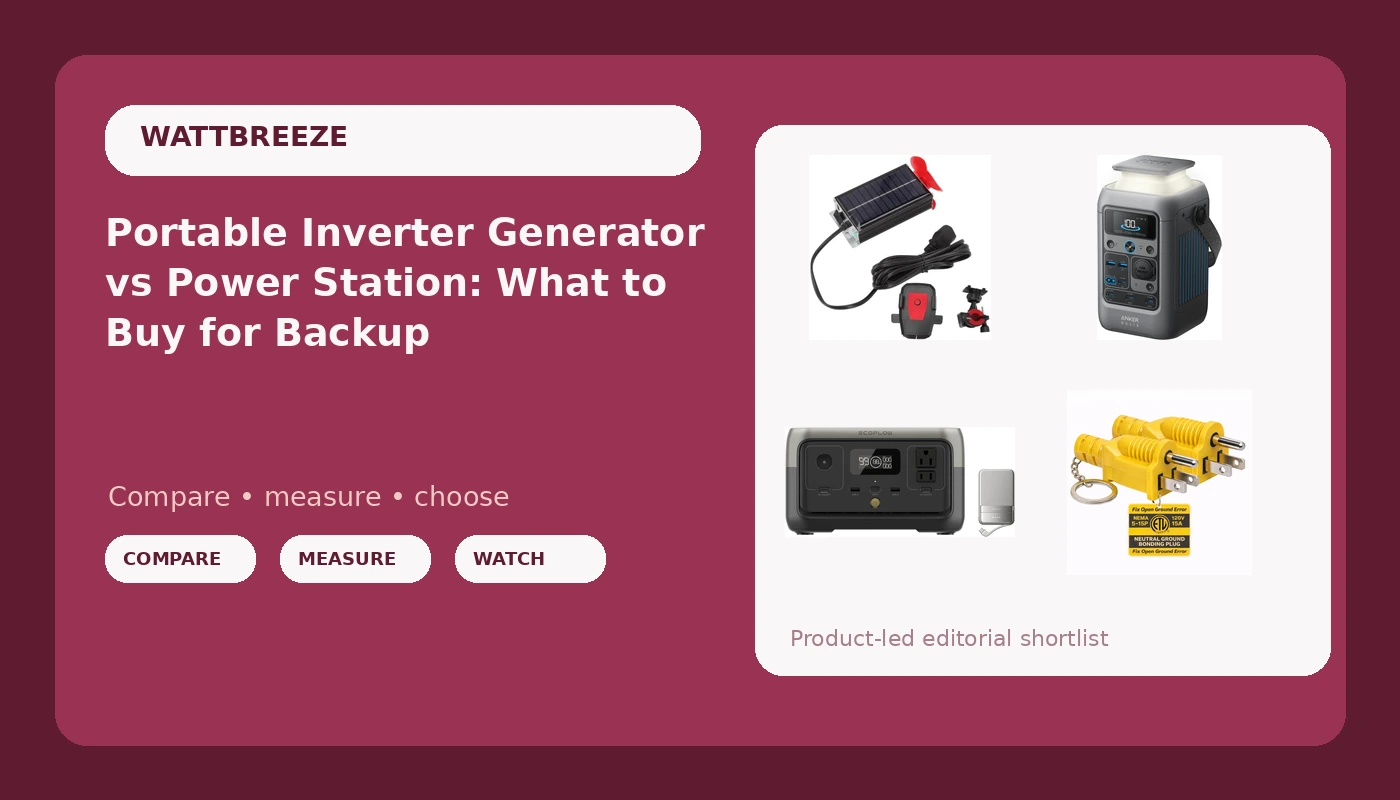
A nine-day outage teaches you things a spec sheet never will. The first is that the real decision is not generator versus no generator, it is fuel versus battery, and both belong on the same shelf. This guide compares one fuel-burning portable inverter generator against five battery-based or supporting products so you can match the hardware to the way you actually lose power: a two-hour dip, a two-day ice storm, or a week of waiting on a line crew.
The short version is that a portable inverter generator is still the only thing in this group that refuels in five minutes and keeps running for days. A battery power station wins on every other count that matters indoors, including noise, fumes, and startup simplicity. Most households that prepare seriously end up owning one of each, and the six products below cover that whole spread.
Related: Portable Power Station vs Inverter Generator: Which Backup Fits Your Outage
Quick answer
The PowerSmart 3800 Watt Portable Inverter Generator for Home Use is the strongest fit for multi-day home backup because it is the only fuel-burning inverter generator in this group and it can be refueled instead of recharged. Choose the Anker SOLIX C1000 Gen2 Portable Power Station & 200W Bifacial Panel instead when you need silent, fume-free power indoors or you want to recharge from the sun without storing fuel.
Portable backup power options worth comparing
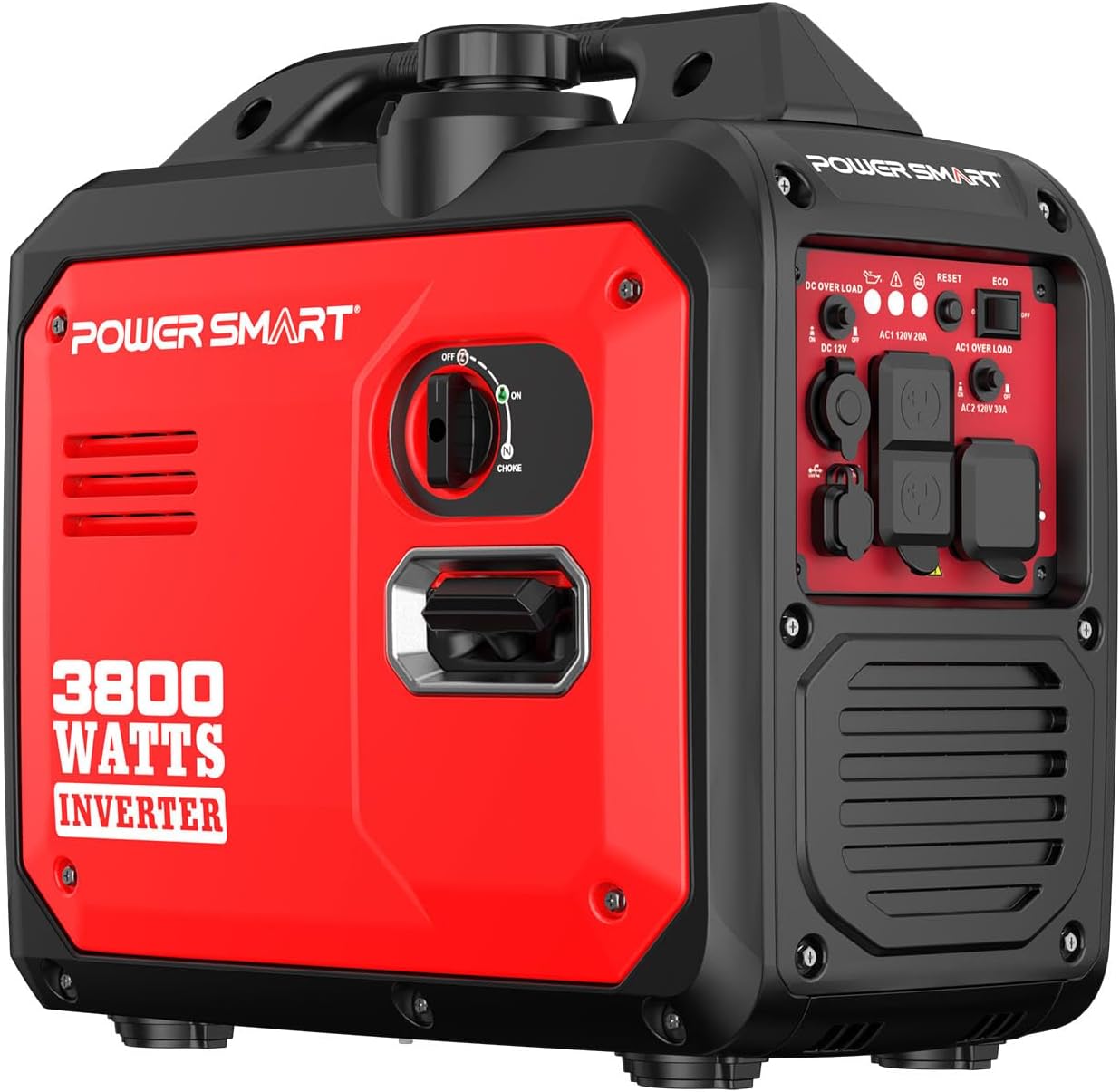
PowerSmart 3800 Watt Portable Inverter Generator for Home Use
A 3,800-watt inverter-class portable generator marketed for home backup. Inverter output is the feature that matters, since it is the class of generator intended to run sensitive electronics. Refuel it and it keeps producing.
Visit on Amazon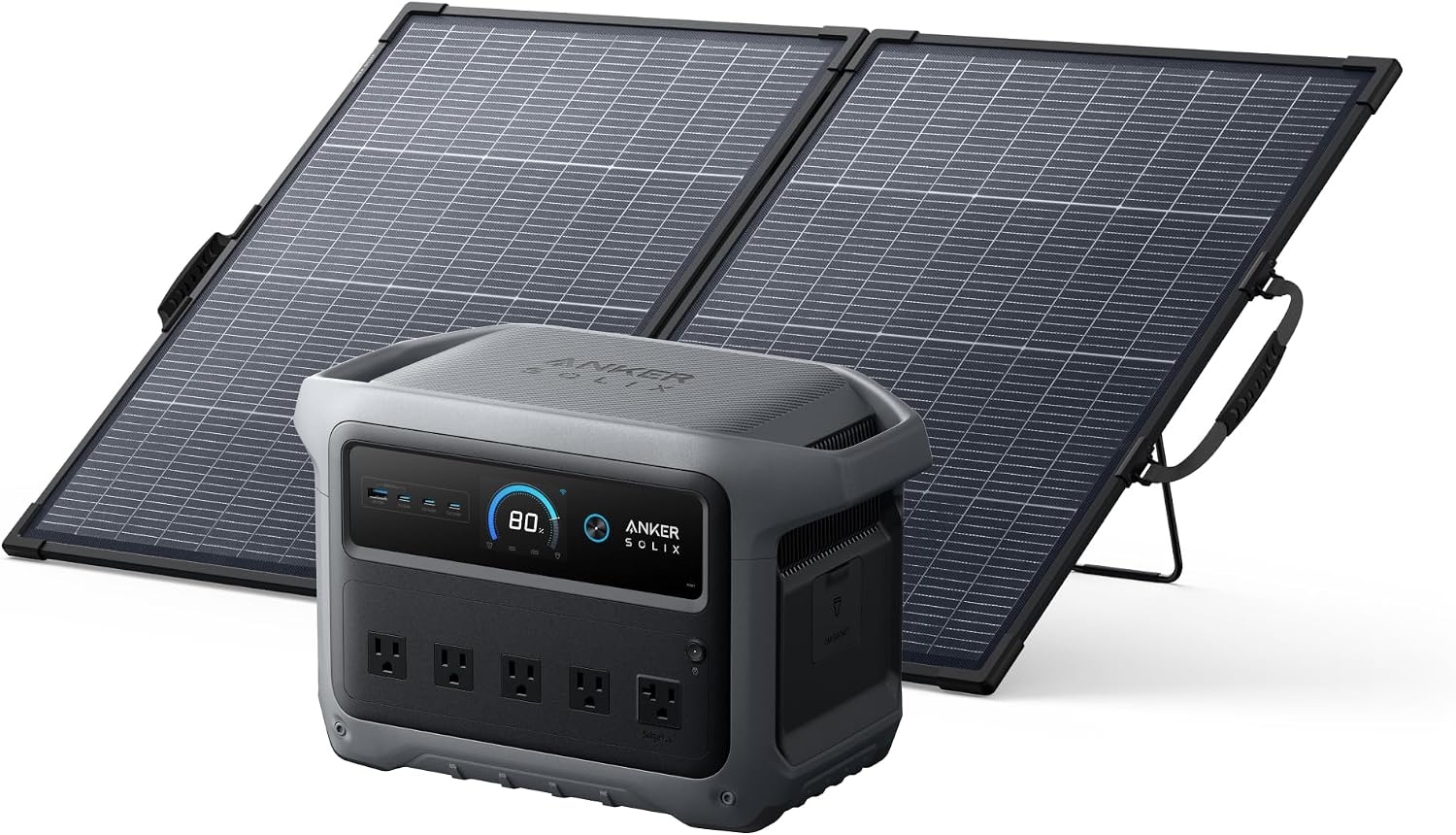
Anker SOLIX C1000 Gen2 Portable Power Station & 200W Bifacial Panel, 1024Wh
1,024Wh of battery capacity paired with a 200W bifacial solar panel. Silent and fume-free, and it recharges from the sun or a wall outlet instead of from a fuel can.
Visit on Amazon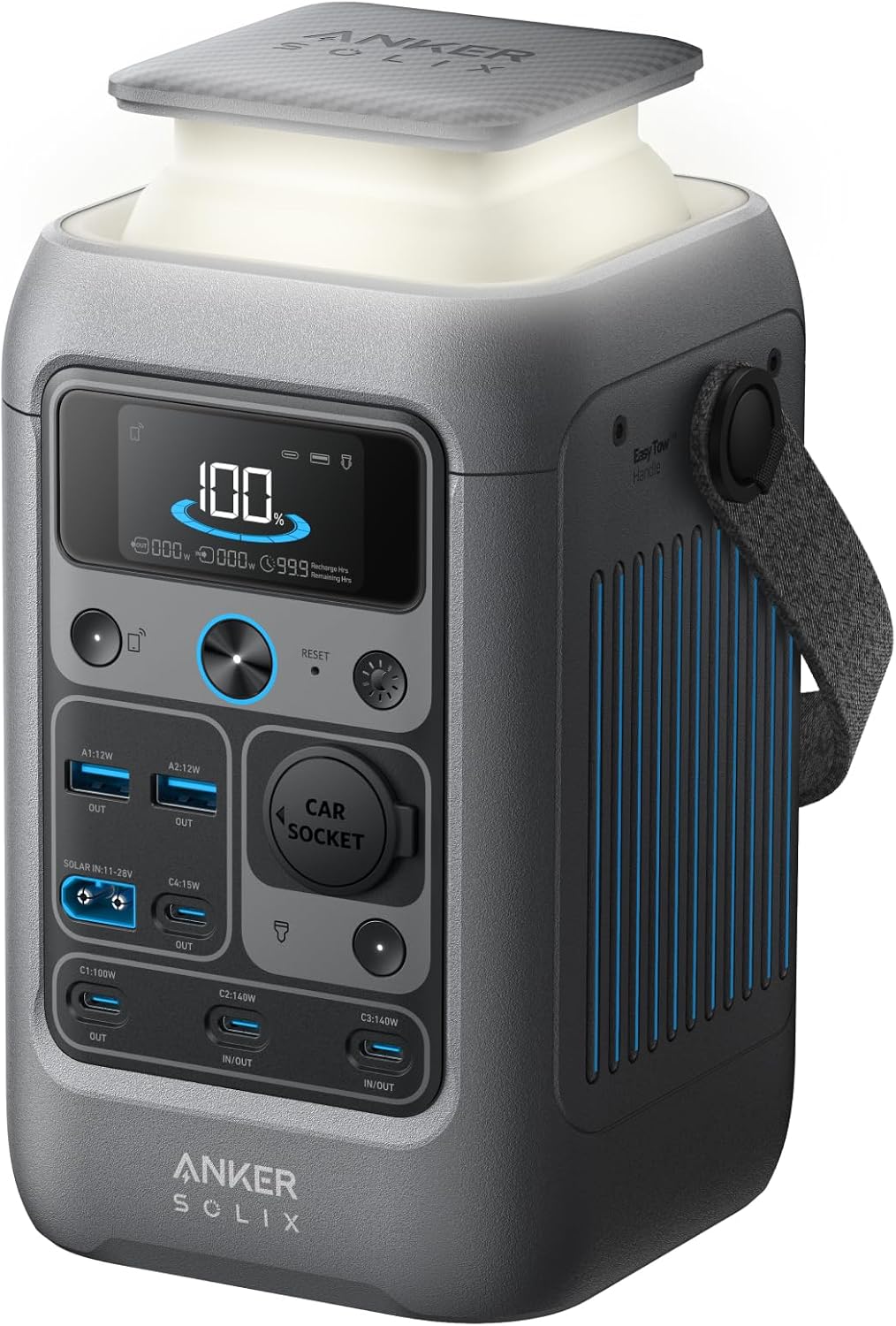
Anker SOLIX C300 DC Portable Power Station, 288Wh, 300W, Outdoor Camping
A 288Wh, 300W station positioned for camping. Small enough to carry to a tent pad or tailgate and sized for phones, lights, fans, and small electronics rather than household appliances.
Visit on Amazon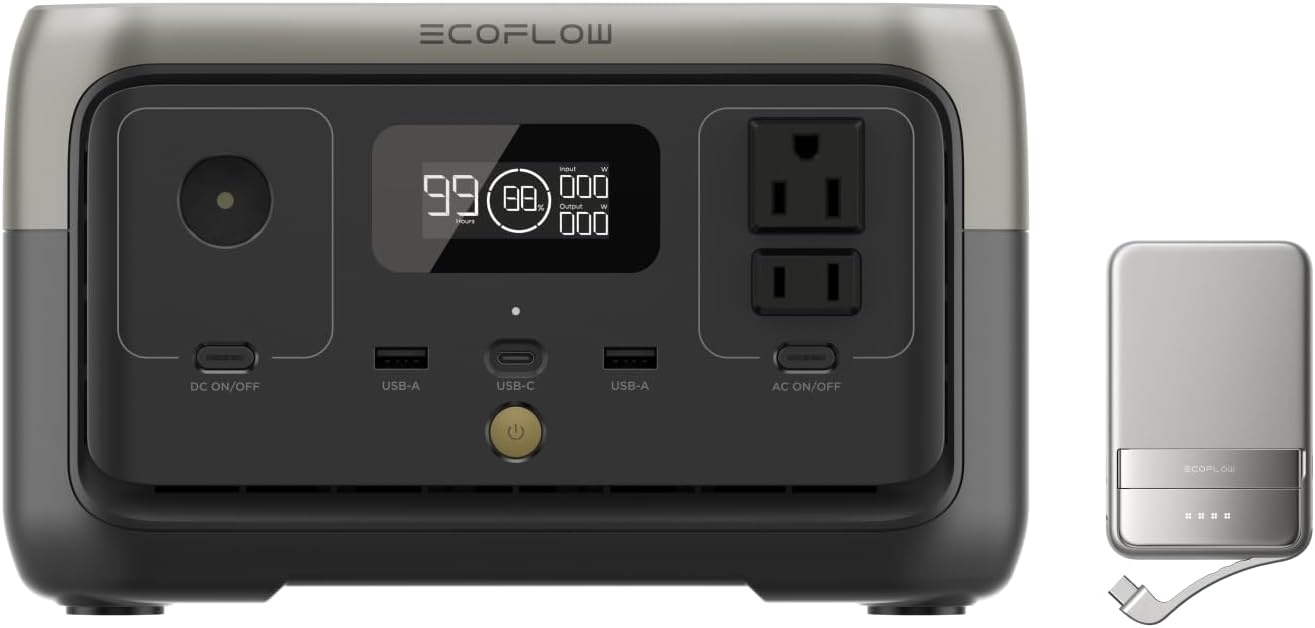
EF ECOFLOW Power Bank + Power Station RIVER 2
A power bank and power station in one package. A sensible first battery unit if you want something portable for weekend trips, tailgates, and short outages rather than week-long ones.
Visit on Amazon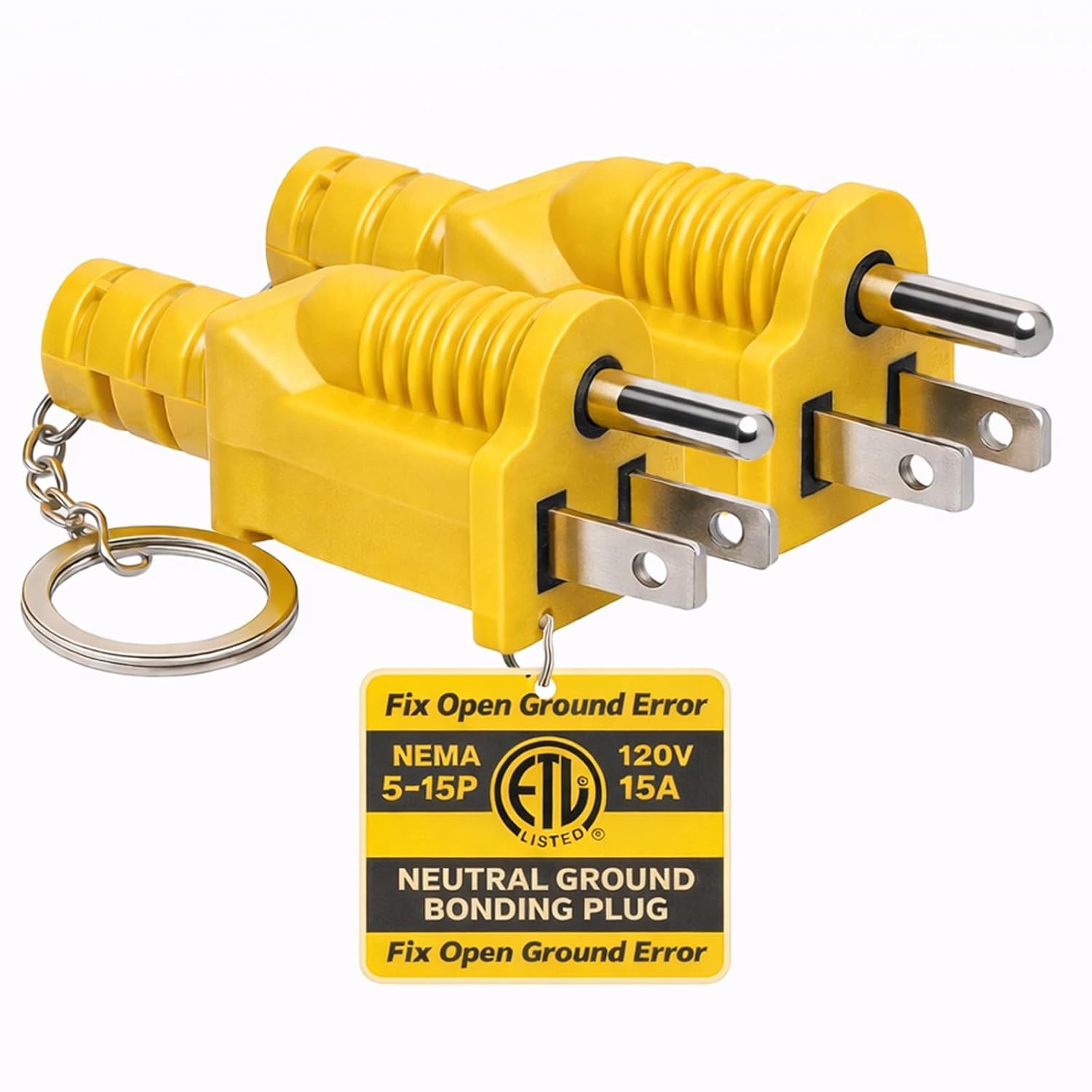
Neutral Ground Bonding Plug for Floating Neutral Generator, 2 Pack
A two-pack of bonding plugs for generators with a floating neutral. This is the small, inexpensive part that lets a floating-neutral generator behave correctly when it is tied into a house panel or an RV.
Visit on Amazon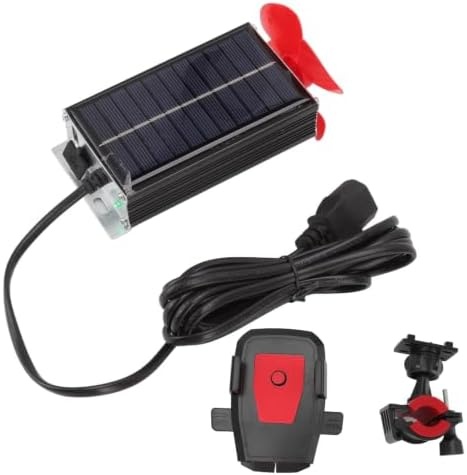
Wind Power Generator, 2 in 1 Portable Range Extender with USB Output Dual Energy Charging for Electric Scooters Electromobiles ABS Aluminum Alloy 115 x 68 x 30mm 1 Pack
A compact 115 x 68 x 30mm accessory with a USB output and dual energy charging, built for small devices and electric scooter range extension rather than home backup. ABS and aluminum alloy body.
Visit on AmazonPrices and availability may change. Check the retailer for current details.
How these products were compared
This guide compares published wattage and capacity figures, the fuel versus battery distinction, indoor versus outdoor suitability, the ability to recharge from solar or a wall outlet, and the small supporting parts that make a generator safe to connect to a home panel or an RV. Product names, images, and retailer links are matched by ASIN so that every card points to the product shown.
Do not read this as a bench test. No decibel readings, run times, harmonic distortion numbers, or wattage measurements are reported here, because none were taken for this article. Everything below is drawn from the manufacturer's published product data. That matters because the honest answer to most generator questions lives in a load bank, not in a spec sheet, and a buying guide should not pretend otherwise. Readers should use the CTA on each card to confirm current price and availability.
How to choose the right portable power option
Start with the load, not the label. Write down everything you want to run at the same time, add up the running watts, then find the single largest motor-driven appliance on that list. Refrigerators, sump pumps, well pumps, and window air conditioners draw a startup spike that can run two to three times their running draw, and that spike is what decides whether a unit trips the moment the compressor kicks on. A generator sized for running watts alone will start strong and then stumble the first time the fridge cycles back on.
Then decide how long you expect to be off the grid. A battery station has a hard ceiling built into it. The C300 DC lists 288Wh and the C1000 Gen2 lists 1,024Wh, so the larger unit stores roughly three and a half times the energy before you factor in the panel. Batteries are silent, safe indoors, and simple to operate, but when they are empty you wait on a wall outlet or the sun. A fuel generator is the opposite trade: louder, and it needs outdoor placement with real exhaust clearance, but a five-gallon can refills it in minutes and it can carry you through a long outage if you keep feeding it.
If you already own a floating-neutral generator and plan to connect it to a house panel or an RV, order the bonding plug before the storm rather than during it. It ships as a two-pack, so one can live permanently in the generator's accessory bag. For camping and small-device duty, the compact range extender accessory and the RIVER 2 handle a completely different job than whole-home backup. Sizing details for transfer switches, inlet boxes, and panel connections are covered in our guide to sizing a generator for a home outage.
PowerSmart 3800 Watt Portable Inverter Generator for Home Use
The PowerSmart 3800 Watt Portable Inverter Generator for Home Use takes the top spot because it is the only product in this group that makes its own power from fuel. A 3,800-watt inverter-class portable generator is a different category of tool from a battery box: it produces electricity for as long as you can keep the tank filled, and inverter output is the design intended to run electronics without the electrical noise a conventional contractor generator puts out. That combination, real output plus clean power, is why inverter units cost more per watt than open-frame conventional units and why they are the right call where people sleep.
The trade-offs are real. Fuel has to be bought, stored, rotated, and treated, and ethanol blends left sitting in a carburetor are a service bill waiting to happen. The unit needs to run outdoors, well away from doors, windows, and vents, with a working carbon monoxide sensor treated as non-negotiable. It is also heavier and louder than any battery station here, and it will need oil changes and periodic exercise under load to stay reliable. If those chores do not fit your life, buy the battery unit instead and be honest with yourself about it.
Alternatives to consider
The Anker SOLIX C1000 Gen2 Portable Power Station & 200W Bifacial Panel is better suited to apartment dwellers, tent campers, and anyone who wants backup power that can sit in a closet and recharge from the sun, while the Anker SOLIX C300 DC Portable Power Station is a stronger fit when the job is small: phones, lights, fans, a laptop, and a campsite rather than a refrigerator.
The EF ECOFLOW Power Bank + Power Station RIVER 2, the Neutral Ground Bonding Plug for Floating Neutral Generator, 2 Pack, and the Wind Power Generator, 2 in 1 Portable Range Extender with USB Output Dual Energy Charging for Electric Scooters Electromobiles ABS Aluminum Alloy 115 x 68 x 30mm 1 Pack cover the edges of the category. The RIVER 2 is a portable first battery unit for weekend trips. The bonding plug is a two-pack of the small part that makes a floating-neutral generator safe and correct to tie into a panel or an RV. The compact range extender accessory is a 115 x 68 x 30mm USB device for small electronics and scooter range extension, and it is not a substitute for either a generator or a power station.
Day-to-day use and maintenance
Fuel is where most generator owners lose money. Use ethanol-free fuel whenever you can get it, add stabilizer when you cannot, and drain the carburetor before any storage longer than a month. Run the unit under a real load every few months rather than letting it idle, because a generator that only ever idles is a generator that will not start when the grid goes down. Change the oil on the schedule in the manual, check the spark arrestor, and keep the air filter clean.
Battery stations ask for almost the opposite routine. Store them at a partial charge rather than fully drained or topped off, keep them out of extreme heat, and recharge them every few months so the cells do not drift. If you pair a station with a solar panel, clean the panel face and angle it toward the sun rather than leaving it flat, since a bifacial panel wants light on both faces to do its job.
Safety rules do not bend. Never run a fuel generator indoors, in a garage, in a shed, or under a deck, even with the doors open, and keep a working carbon monoxide alarm in the house regardless of where the unit sits. Give the exhaust real clearance from any opening. For battery units, follow the manufacturer's instructions on charging temperature and inspect for damage before every use. Neither a generator nor a power station is a substitute for a licensed electrician when the connection involves a home panel.
Buying checklist
- Measure the space where the unit will live, including clearance for exhaust on a fuel generator and shelf space for a battery station.
- Choose running watts and surge headroom based on normal use, not on the one appliance you might plug in twice a year.
- Confirm that the exact model includes the feature you are counting on, such as inverter output, a solar input, or a bonded neutral design.
- Read the maintenance and storage instructions before purchase, because fuel systems and batteries both punish neglect.
- Verify the current retailer price, availability, and return terms before you commit.
Final recommendation
Choose the PowerSmart 3800 Watt Portable Inverter Generator for Home Use when your outages run long, your loads include a refrigerator or a pump, and you are willing to store fuel and keep up with oil changes. Choose the Anker SOLIX C1000 Gen2 Portable Power Station & 200W Bifacial Panel when you want quiet, fume-free power indoors and solar recharging instead of fuel runs. If your real need is a weekend campsite or a phone that stays charged during a short dip, the smaller stations and accessories here will do the job for far less hassle. Match the tool to the outage you actually get, not the one you imagine.